
During my undergrad years at Polytechnic University, I learned that some people see a glass that’s half empty. Some see a glass as half-full. Engineers see a glass that’s twice as big as it needs to be.
When it comes to my leadership style, it’s about taking a step back, looking at goals through different lenses, and creating strategic plans. Those plans often involve working backwards from goals in order to reverse engineer paths to success.
Rather than micro-manage, I prefer getting everyone on the same page, having collaborative check-ins to ensure we’re on target, and addressing blockers together.
I’m a big fan of always delivering value, and building continuous improvement cycles into systems and procedures. That approach can often help ensure short-term gains and ROI, while working toward bigger long-term goals.
As a partnerships, marketing, and sales professional, I believe in building sustainable flywheels.
In practice, this often looks like:
- Research
- Review
- Decide
- Test
- Optimize
- Scale
I don’t believe in fixing problems that don’t exist, or using myself as the only barometer. It’s why phases for researching, testing, and optimizing can be so important. You validate your approach with data, and make course corrections as needed.
For example, you may think that you know your target Ideal Customer Profile (ICP) or Ideal Partner Profile (IPP), but market fluctuations, competition, and other real-world factors can quickly change your calculus. While none of us want to be wrong, it’s much better to ask the hard questions early, and make course corrections.
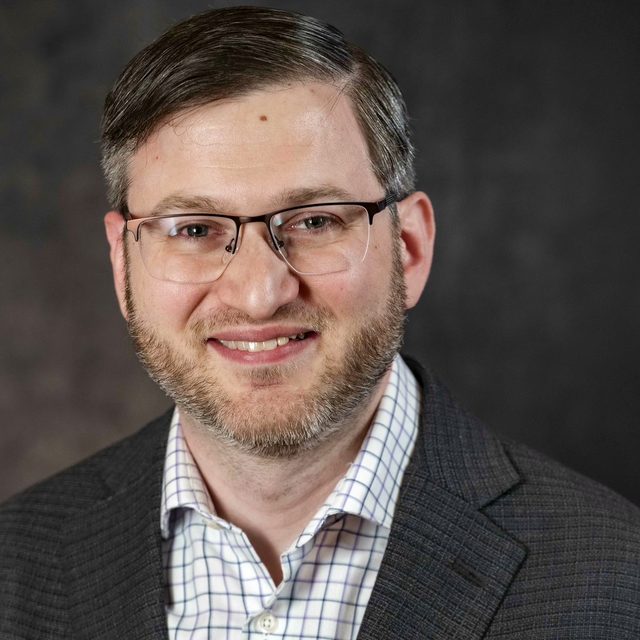
— Robert Rand